

In the realm of industrial safety, the threat of electrical explosions looms large. Electrical systems, while integral to modern operations, can pose significant risks when malfunctions occur, leading to potentially catastrophic explosions. This is where explosion proof walls come into play, serving as a crucial line of defense against the devastating effects of such explosions. As a leading explosion proof wall supplier, I am deeply involved in providing solutions that safeguard lives and property from electrical explosions. In this blog, I will delve into how explosion proof walls protect against electrical explosions, exploring their mechanisms, types, and applications.
Understanding Electrical Explosions
Before we can appreciate the role of explosion proof walls, it is essential to understand what causes electrical explosions. Electrical explosions typically occur when there is a sudden release of energy in an electrical system. This can be due to various factors, such as short circuits, overloading, or faulty equipment. When an electrical fault occurs, it can generate intense heat and a rapid expansion of gases, leading to an explosion.
The consequences of an electrical explosion can be severe, including property damage, injuries, and even loss of life. In industrial settings, where large electrical systems are often in use, the risks are particularly high. For example, in a manufacturing plant, an electrical explosion could damage expensive machinery, disrupt production, and pose a significant safety hazard to workers.
How Explosion Proof Walls Work
Explosion proof walls are designed to contain and mitigate the effects of an explosion. They work by providing a physical barrier that can withstand the pressure and force generated by an explosion. When an electrical explosion occurs, the explosion proof wall absorbs and disperses the energy, preventing it from spreading to other areas.
One of the key mechanisms of explosion proof walls is their ability to resist the blast pressure. These walls are constructed using materials that are strong and durable, such as steel, concrete, or composite materials. The thickness and design of the wall are carefully engineered to ensure that it can withstand the high pressures generated by an explosion. For example, a well - designed explosion proof wall can withstand blast pressures of several thousand pounds per square inch.
In addition to resisting blast pressure, explosion proof walls also help to contain the fire and debris generated by an explosion. They are often equipped with fire - resistant materials and seals to prevent the spread of flames and smoke. This is crucial in preventing secondary fires and reducing the overall damage caused by an explosion.
Types of Explosion Proof Walls
There are several types of explosion proof walls available, each with its own unique features and applications.
Military Explosion Proof Wall
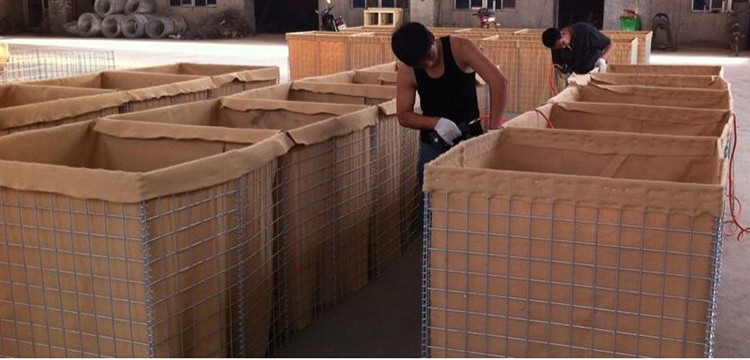
The Military Explosion Proof Wall is designed for use in military applications, where the threat of explosions is particularly high. These walls are typically made from high - strength steel and are designed to withstand large - scale explosions. They are often used in military bases, ammunition storage facilities, and other high - security areas. Military explosion proof walls are also designed to be easily deployable, allowing for quick installation in emergency situations.
Barrier Explosion Proof Wall
The Barrier Explosion Proof Wall is a more general - purpose explosion proof wall that can be used in a variety of industrial and commercial settings. These walls are often made from concrete or composite materials and are designed to provide a reliable barrier against explosions. Barrier explosion proof walls can be used to separate different areas within a facility, such as electrical rooms, storage areas, and production areas. They help to prevent the spread of an explosion from one area to another, reducing the overall damage.
Military Sand Barrier
The Military Sand Barrier is a cost - effective and versatile explosion proof solution. Sand is an excellent absorber of blast energy, and military sand barriers are designed to use this property to their advantage. These barriers are often used in military field operations, where they can be quickly assembled using sandbags or pre - fabricated sand containers. Military sand barriers can also be used in industrial settings, providing a temporary or permanent solution for explosion protection.
Applications of Explosion Proof Walls in Electrical Safety
Explosion proof walls have a wide range of applications in electrical safety.
Electrical Rooms
In industrial and commercial buildings, electrical rooms house critical electrical equipment, such as transformers, switchgear, and generators. These rooms are at a high risk of electrical explosions, as the equipment can malfunction and cause a sudden release of energy. Explosion proof walls can be installed around electrical rooms to contain any potential explosions, protecting the rest of the building and its occupants.
Hazardous Areas
In industries such as oil and gas, chemical manufacturing, and mining, there are areas where the presence of flammable gases, vapors, or dusts increases the risk of electrical explosions. Explosion proof walls can be used to create safe zones within these hazardous areas, separating the electrical equipment from the potentially explosive environment. This helps to prevent ignition sources from coming into contact with the flammable substances, reducing the risk of an explosion.

Data Centers
Data centers are another area where explosion proof walls are becoming increasingly important. These facilities house large amounts of electrical equipment, including servers, storage systems, and power distribution units. An electrical explosion in a data center could cause significant damage to the equipment, leading to data loss and disruption of services. Explosion proof walls can be used to protect the critical infrastructure in data centers, ensuring the continuity of operations.
Benefits of Using Explosion Proof Walls
The use of explosion proof walls offers several benefits.
Safety
The most obvious benefit of explosion proof walls is the protection of lives and property. By containing and mitigating the effects of an explosion, these walls can prevent injuries and fatalities, as well as reduce the damage to buildings and equipment. This is particularly important in industrial and commercial settings, where the safety of workers and the public is of utmost importance.
Compliance
In many industries, there are strict regulations and standards regarding explosion protection. Using explosion proof walls can help companies comply with these regulations, avoiding potential fines and legal issues. For example, in the oil and gas industry, companies are required to implement explosion protection measures to ensure the safety of their operations.
Cost - effectiveness
While the initial cost of installing explosion proof walls may be significant, they can actually save companies money in the long run. By preventing damage to equipment and facilities, explosion proof walls can reduce the need for costly repairs and replacements. They can also minimize the downtime caused by an explosion, ensuring that production and operations can continue without interruption.
Conclusion
Explosion proof walls play a vital role in protecting against electrical explosions. As a supplier of explosion proof walls, I am committed to providing high - quality products that meet the needs of our customers. Whether it is a military application, an industrial facility, or a commercial building, our explosion proof walls are designed to provide reliable protection against the devastating effects of explosions.
If you are interested in learning more about our explosion proof walls or would like to discuss your specific explosion protection needs, I encourage you to reach out to us. We have a team of experts who can provide you with detailed information and guidance on selecting the right explosion proof wall for your application. Let's work together to create a safer environment and protect your valuable assets from the threat of electrical explosions.
References
- NFPA 69: Standard on Explosion Prevention Systems.
- API RP 500: Recommended Practice for Classification of Locations for Electrical Installations at Petroleum Facilities Classified as Class I, Division 1 and Division 2.
- IEC 60079 - series: Electrical apparatus for explosive gas atmospheres.