

In the realm of industrial safety, explosion proof walls play a pivotal role in mitigating the catastrophic effects of explosions. As a trusted explosion proof wall supplier, I have witnessed firsthand the diverse challenges these structures face in various environments. One such challenging scenario is a high - sulfur environment, which presents unique threats to the performance and longevity of explosion proof walls. In this blog, I will delve into how an explosion proof wall performs in a high - sulfur environment, exploring the scientific principles, potential issues, and effective solutions.
Understanding High - Sulfur Environments
High - sulfur environments are commonly found in industries such as mining, oil and gas refining, and chemical manufacturing. Sulfur compounds, such as hydrogen sulfide (H₂S) and sulfur dioxide (SO₂), are often present in these settings. These compounds are not only highly corrosive but can also be flammable under certain conditions, posing a double - edged risk. Hydrogen sulfide, for example, is a colorless, toxic gas with a characteristic rotten - egg smell. It can react with metal components of explosion proof walls, leading to corrosion and degradation over time.

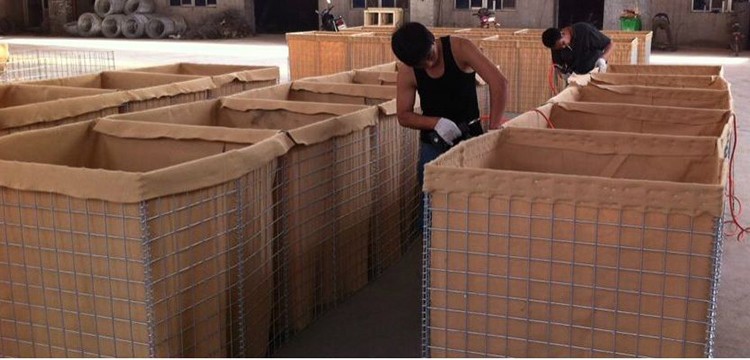
Performance of Explosion Proof Walls in High - Sulfur Environments
Structural Integrity
The primary function of an explosion proof wall is to withstand the force of an explosion and prevent the spread of blast waves, fragments, and fire. In a high - sulfur environment, the corrosive nature of sulfur compounds can compromise the structural integrity of the wall. Metals, which are commonly used in the construction of explosion proof walls, are particularly vulnerable to sulfur - induced corrosion. For instance, iron and steel can react with sulfur compounds to form iron sulfides, which are brittle and have a lower strength compared to the original metal. This corrosion can lead to the formation of cracks, holes, and weak spots in the wall, reducing its ability to withstand an explosion.
However, modern explosion proof walls, such as our Barrier Explosion Proof Wall, are designed with advanced materials and protective coatings to resist corrosion. High - strength alloys and composite materials are often used to enhance the wall's durability. Additionally, special anti - corrosion coatings are applied to the surface of the wall to create a barrier between the metal and the sulfur - containing environment. These coatings can significantly extend the lifespan of the wall and maintain its structural integrity.
Fire Resistance
In a high - sulfur environment, the presence of flammable sulfur compounds increases the risk of fire. Explosion proof walls are required to have excellent fire - resistant properties to prevent the spread of fire in case of an explosion. Sulfur compounds can burn readily, and the heat generated from the combustion can further damage the wall.
To address this issue, explosion proof walls are often constructed with fire - resistant materials. Fire - rated insulation materials are used inside the wall to absorb and dissipate heat, preventing it from reaching the other side of the wall. Our Military Explosion Proof Wall is designed with high - performance fire - resistant materials that can withstand extreme temperatures for an extended period. This ensures that the wall can effectively contain the fire and protect the surrounding area.
Gas and Vapor Sealing
Sulfur compounds can be toxic and harmful to human health. An explosion proof wall should also provide an effective seal to prevent the leakage of these gases and vapors. In a high - sulfur environment, the corrosive nature of sulfur compounds can damage the sealing materials used in the wall, leading to gas leakage.
To ensure proper gas and vapor sealing, explosion proof walls are equipped with high - quality sealing gaskets and joints. These sealing components are made from materials that are resistant to sulfur - induced corrosion. Regular inspection and maintenance of the sealing system are also essential to detect and repair any potential leaks. Our Military Sand Barrier is designed with a tight - fitting sealing mechanism that can effectively prevent the leakage of sulfur - containing gases and vapors.
Factors Affecting the Performance of Explosion Proof Walls in High - Sulfur Environments
Concentration of Sulfur Compounds
The concentration of sulfur compounds in the environment is a crucial factor that affects the performance of explosion proof walls. Higher concentrations of sulfur compounds will accelerate the corrosion process and increase the risk of damage to the wall. In areas with extremely high sulfur concentrations, more robust and corrosion - resistant explosion proof walls are required.
Temperature and Humidity
Temperature and humidity also play important roles in sulfur - induced corrosion. Higher temperatures can increase the rate of chemical reactions between sulfur compounds and the wall materials, while high humidity can provide a medium for the corrosion process. In a high - sulfur environment with high temperature and humidity, the corrosion of explosion proof walls can be more severe. Therefore, it is necessary to consider the environmental conditions when selecting and installing explosion proof walls.
Exposure Time
The longer an explosion proof wall is exposed to a high - sulfur environment, the more likely it is to suffer from corrosion and damage. Regular inspection and maintenance are necessary to detect early signs of corrosion and take appropriate measures to prevent further deterioration.
Solutions to Improve the Performance of Explosion Proof Walls in High - Sulfur Environments
Material Selection
As mentioned earlier, the choice of materials is crucial for the performance of explosion proof walls in high - sulfur environments. Selecting corrosion - resistant materials, such as stainless steel, aluminum alloys, and composite materials, can significantly improve the wall's durability. Additionally, using fire - resistant and gas - tight materials can enhance the wall's overall performance.
Protective Coatings
Applying protective coatings to the surface of the explosion proof wall is an effective way to prevent sulfur - induced corrosion. These coatings can act as a barrier between the wall materials and the sulfur - containing environment. There are various types of protective coatings available, including epoxy coatings, zinc - rich coatings, and ceramic coatings. Each type of coating has its own advantages and disadvantages, and the choice of coating depends on the specific requirements of the application.
Regular Inspection and Maintenance
Regular inspection and maintenance are essential to ensure the long - term performance of explosion proof walls in high - sulfur environments. Inspections should be carried out at regular intervals to detect any signs of corrosion, damage, or leakage. Any issues should be addressed promptly to prevent further deterioration. Maintenance activities may include cleaning the wall surface, repairing damaged coatings, and replacing worn - out sealing components.
Conclusion
In conclusion, explosion proof walls face significant challenges in high - sulfur environments due to the corrosive, flammable, and toxic nature of sulfur compounds. However, with proper design, material selection, and maintenance, these walls can effectively perform their functions and provide reliable protection against explosions and their associated hazards. As an explosion proof wall supplier, we are committed to providing high - quality products that are specifically designed to meet the demands of high - sulfur environments.
If you are in need of explosion proof walls for your project in a high - sulfur environment, we invite you to contact us for a detailed consultation. Our team of experts will work closely with you to understand your specific requirements and provide the most suitable solutions. Let's work together to ensure the safety and reliability of your industrial facilities.
References
- ASTM International. (Year). Standard test methods for evaluating the corrosion resistance of materials in sulfur - containing environments.
- National Fire Protection Association (NFPA). (Year). NFPA standards for explosion proof walls and fire - resistant structures.
- Industrial Safety Handbook. (Year). Chapter on explosion protection in high - sulfur environments.