

As a supplier of explosion proof walls, I've often been asked whether these safety barriers can be effectively utilized in power generation plants. This is a crucial question, considering the high - risk nature of power generation facilities, which are prone to various hazards, including explosions. In this blog, I'll explore the feasibility, benefits, and considerations of using explosion proof walls in power generation plants.
The Need for Explosion Protection in Power Generation Plants
Power generation plants, whether they are fossil - fuel based, nuclear, or renewable energy plants, face numerous risks that can lead to explosions. Fossil - fuel power plants handle large quantities of combustible fuels such as coal, oil, and natural gas. A leak or improper handling of these fuels can result in a highly explosive atmosphere. For example, in a coal - fired power plant, coal dust can accumulate in storage areas and conveyor systems. If the dust concentration reaches a certain level and there is an ignition source, an explosion can occur.
Nuclear power plants, on the other hand, deal with radioactive materials and high - pressure systems. Although the risk of a traditional chemical explosion is relatively low, there are still potential risks associated with steam explosions or hydrogen explosions, as witnessed in some past nuclear accidents. Renewable energy plants, like those using biomass, also have risks. Biomass storage areas can generate combustible gases, and if not properly managed, an explosion can happen.
Explosions in power generation plants can have catastrophic consequences. They can cause significant damage to the plant infrastructure, leading to long - term power outages. Moreover, they pose a serious threat to the safety of workers and the surrounding community. Therefore, implementing effective explosion protection measures is of utmost importance.

Feasibility of Using Explosion Proof Walls in Power Generation Plants
The answer to whether explosion proof walls can be used in power generation plants is a resounding yes. Explosion proof walls are designed to withstand the pressure and impact of an explosion, containing the blast within a certain area and preventing it from spreading to other parts of the plant.
These walls are typically made of high - strength materials such as steel, concrete, or a combination of both. They are engineered to absorb and dissipate the energy generated during an explosion. For instance, a well - designed concrete explosion proof wall can resist the shock waves and fragments produced by an explosion, protecting nearby equipment and personnel.
In power generation plants, explosion proof walls can be strategically placed in different areas. In fuel storage areas, they can separate different types of fuels, reducing the risk of a chain reaction in case of an explosion. In areas where high - pressure equipment is located, such as boiler rooms or turbine halls, explosion proof walls can act as a barrier to protect other parts of the plant from the impact of a potential explosion.
Benefits of Using Explosion Proof Walls in Power Generation Plants
1. Enhanced Safety
The primary benefit of using explosion proof walls is the enhanced safety they provide. By containing the explosion, these walls protect workers from the direct impact of the blast, reducing the risk of serious injuries or fatalities. They also safeguard the surrounding community by preventing the spread of the explosion and the release of hazardous materials.
2. Asset Protection
Power generation plants are capital - intensive facilities, with a large amount of expensive equipment. An explosion can cause extensive damage to this equipment, resulting in significant financial losses. Explosion proof walls help protect these assets by minimizing the damage caused by an explosion. This can reduce the downtime of the plant and the cost of repairs and replacements.
3. Regulatory Compliance
Many countries and regions have strict regulations regarding safety in power generation plants. Using explosion proof walls can help power plant operators comply with these regulations. By demonstrating that they have taken appropriate measures to prevent and mitigate the effects of explosions, operators can avoid potential fines and legal issues.
Different Types of Explosion Proof Walls Suitable for Power Generation Plants
1. Military Sand Barrier
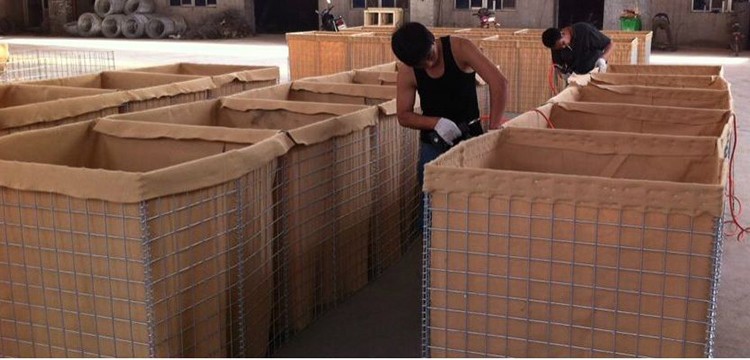
The Military Sand Barrier is a type of explosion proof wall that can be used in power generation plants. It is made of sand - filled containers or barriers. Sand has excellent shock - absorbing properties, which can effectively reduce the impact of an explosion. These barriers are relatively easy to install and can be quickly deployed in case of an emergency. They are also cost - effective, making them a suitable option for power plants with budget constraints.
2. Military Explosion Proof Wall
The Military Explosion Proof Wall is designed to withstand high - intensity explosions. It is usually made of high - strength steel or composite materials. These walls are highly durable and can provide long - term protection. They are suitable for areas in power generation plants where the risk of a large - scale explosion is relatively high, such as near high - pressure fuel storage tanks.
3. Barrier Explosion Proof Wall
The Barrier Explosion Proof Wall is a versatile option that can be customized according to the specific needs of a power generation plant. It can be made of different materials and have different configurations. For example, it can be a modular wall system that can be easily assembled and disassembled, allowing for flexibility in plant layout changes.
Considerations When Using Explosion Proof Walls in Power Generation Plants
1. Design and Installation
Proper design and installation of explosion proof walls are crucial. The walls need to be designed based on the specific explosion risks in the power generation plant, including the type of fuel, the size of the area, and the potential explosion pressure. Professional engineers should be involved in the design process to ensure that the walls meet the required safety standards. During installation, strict quality control measures should be implemented to ensure that the walls are properly installed and anchored.
2. Maintenance
Explosion proof walls require regular maintenance to ensure their effectiveness. This includes inspecting the walls for any signs of damage, such as cracks or corrosion, and repairing them promptly. The integrity of the wall connections and anchors also needs to be checked regularly.
3. Compatibility with Other Safety Systems
Explosion proof walls should be integrated with other safety systems in the power generation plant, such as fire suppression systems and gas detection systems. For example, if an explosion occurs, the fire suppression system should be able to quickly extinguish any fires, and the gas detection system should alert workers to the presence of hazardous gases.
Conclusion
In conclusion, explosion proof walls can and should be used in power generation plants. They offer significant benefits in terms of safety, asset protection, and regulatory compliance. As a supplier of explosion proof walls, I understand the importance of providing high - quality products that meet the specific needs of power generation plants.
If you are a power plant operator or involved in the power generation industry and are interested in learning more about our explosion proof walls or discussing a potential purchase, please feel free to reach out. We are ready to work with you to design and implement the most suitable explosion protection solutions for your plant.
References
- API Recommended Practice 521, "Pressure - Relieving and Depressuring Systems"
- NFPA 69, "Standard on Explosion Prevention Systems"
- IEC 60079 - 10 - 1, "Explosive atmospheres - Part 10 - 1: Classification of areas - Explosive gas atmospheres"