

Hey there! As a supplier of Welded Gabion, I often get asked about the self - drainage performance of these nifty products. So, let's dive right in and explore what makes the self - drainage of welded gabions so special.
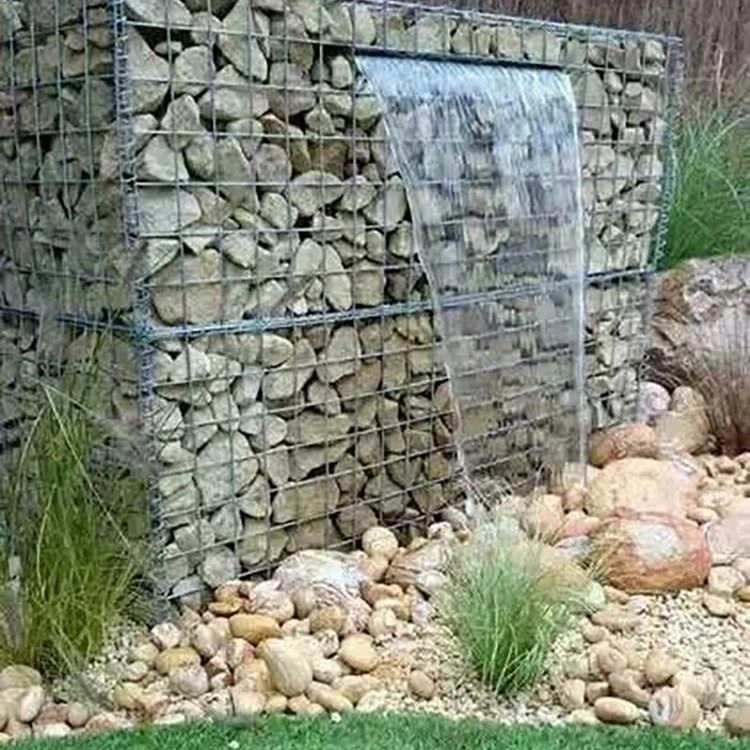
First off, let's understand what welded gabions are. A welded gabion is a wire mesh box or container filled with stones or other suitable materials. You can check out more about them at Welded Gabion. These structures are used in a variety of applications, from erosion control to building Gabion Stone Retaining Wall. And one of their most outstanding features is their self - drainage ability.
How Does Self - Drainage Work in Welded Gabions?
The self - drainage performance of welded gabions is mainly due to the design of the wire mesh and the nature of the filling material. The wire mesh that makes up the gabion is made with carefully spaced openings. These openings allow water to pass through freely while retaining the stones inside. When it rains or there's an influx of water, the water doesn't get trapped within the gabion. Instead, it seeps through the mesh and out of the structure.
The filling material, usually stones, also plays a crucial role. Stones have gaps between them, creating a porous structure. Water can easily flow through these gaps, further aiding the drainage process. This combination of the wire mesh and the stones creates a highly efficient self - drainage system.

Benefits of Self - Drainage in Welded Gabions
- Prevents Waterlogging: In areas where there's a lot of rainfall or high water tables, waterlogging can be a major problem. If water is allowed to accumulate around a structure, it can cause soil erosion, undermine the foundation, and even lead to the collapse of the structure. The self - drainage of welded gabions ensures that water is quickly removed, preventing these issues.
- Maintains Structural Integrity: Excess water can weaken the structure of a gabion over time. By allowing water to drain out, the self - drainage system helps maintain the integrity of the gabion. The stones remain in place, and the wire mesh isn't subjected to the constant pressure of standing water, which could cause it to rust or break.
- Reduces Hydrostatic Pressure: Hydrostatic pressure is the pressure exerted by water on a structure. When water builds up around a gabion, it creates hydrostatic pressure. This pressure can push against the gabion, potentially causing it to shift or break. The self - drainage system in welded gabions reduces this pressure by allowing water to escape, keeping the gabion stable.
Applications Where Self - Drainage is Crucial
- Erosion Control: In areas prone to soil erosion, such as riverbanks or hillsides, welded gabions are often used to stabilize the soil. The self - drainage feature is essential here. When heavy rain falls, the water can quickly pass through the gabions, preventing the soil from being washed away. This helps to protect the land and prevent further erosion.
- Retaining Walls: Gabion Stone Retaining Wall are commonly used to hold back soil and prevent landslides. The self - drainage of the gabions ensures that the wall remains stable. If water were to accumulate behind the wall, it could increase the pressure on the wall and cause it to fail. The ability to drain water helps to maintain the stability of the retaining wall.
- Landscaping Projects: In landscaping, welded gabions can be used to create decorative features such as garden walls or water features. The self - drainage system allows for proper water management in these areas. For example, in a water feature, the gabion can help control the flow of water and prevent flooding.
Factors Affecting Self - Drainage Performance
- Mesh Size: The size of the openings in the wire mesh is a critical factor. If the openings are too small, water may not be able to pass through easily, reducing the drainage efficiency. On the other hand, if the openings are too large, the stones may fall out. As a supplier, we carefully select the mesh size based on the specific application and the size of the filling stones.
- Filling Material: The type and size of the filling material can also affect self - drainage. Different types of stones have different porosities. For example, gravel may drain water more quickly than larger boulders. The size of the stones also matters. If the stones are too small, they may clog the gaps and reduce drainage. We work with our customers to choose the right filling material for their needs.
- Installation: Proper installation is essential for optimal self - drainage. The gabions should be installed on a well - drained surface. If the base is not level or if there are obstructions that prevent water from flowing away, the drainage performance will be affected. We provide installation guidelines to ensure that our customers get the best results from our welded gabions.
Comparing Welded Gabions with Other Drainage Solutions
There are other drainage solutions available in the market, such as French drains or perforated pipes. However, welded gabions have several advantages over these solutions.
- Cost - Effective: Welded gabions are relatively inexpensive compared to some other drainage systems. The materials are readily available, and the installation process is straightforward, reducing labor costs.
- Versatility: Gabions can be used in a wide range of applications, from small landscaping projects to large - scale erosion control. They can be easily customized in size and shape to fit the specific requirements of a project.
- Aesthetic Appeal: Unlike some drainage solutions that are hidden underground, welded gabions can be a visually appealing addition to a project. They can be used to create attractive walls or structures that blend well with the surrounding environment. You can even check out Mur De Gabions for some inspiration on how to use gabions in an aesthetically pleasing way.
Ensuring Optimal Self - Drainage
To ensure that your welded gabions have the best possible self - drainage performance, it's important to choose the right product and follow proper installation procedures. As a supplier, we offer a range of welded gabions with different mesh sizes and filling options. We can help you select the gabion that's best suited for your project based on factors such as the location, the amount of water flow, and the specific application.
We also provide detailed installation instructions. This includes guidance on how to prepare the base, how to stack the gabions, and how to ensure that the drainage paths are clear. By following these instructions, you can maximize the self - drainage performance of your welded gabions.
Conclusion
The self - drainage performance of welded gabions is a remarkable feature that offers numerous benefits. From preventing waterlogging to maintaining structural integrity, it plays a vital role in the success of gabion - based projects. Whether you're looking to control erosion, build a retaining wall, or enhance your landscaping, welded gabions with their excellent self - drainage capabilities are a great choice.
If you're interested in purchasing welded gabions for your project, we'd love to hear from you. We have a wide range of products to meet your needs, and our team of experts can provide you with all the information and support you need. Contact us today to start discussing your project and find the perfect welded gabion solution.
References
- "Gabion Design and Construction Manual" by the Federal Highway Administration
- "Erosion Control and Sedimentation Prevention in Construction" by the Environmental Protection Agency
- Various industry reports on the use of welded gabions in civil engineering and landscaping projects.