

Hey there! I'm a supplier of galvanized gabions, and today I wanna talk about whether galvanized gabions can be used for fish habitats. It's a topic that's been getting a lot of attention lately, and I'm excited to share my thoughts and insights.
First off, let's quickly go over what galvanized gabions are. They're basically wire baskets filled with stones or other materials. The wire is galvanized, which means it's coated with zinc to prevent rusting. This makes the gabions durable and long - lasting, even when they're exposed to water.
Advantages of Galvanized Gabions for Fish Habitats
One of the main reasons galvanized gabions can be great for fish habitats is their structural stability. They can be stacked and arranged in various configurations to create different types of underwater structures. These structures provide shelter for fish. Smaller fish can hide in the nooks and crannies between the stones, protecting them from predators.
For example, juvenile fish are especially vulnerable. A well - designed gabion structure can give them a safe place to grow and develop. Adult fish also benefit as they can use the gabions as a place to rest and breed. The stones in the gabions can create areas of slower current, which is ideal for fish that prefer calmer waters.

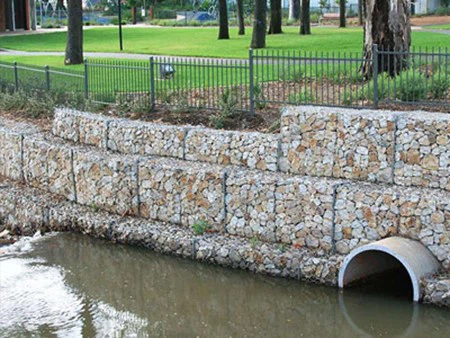
Another advantage is the water flow management. Gabions can be used to control the flow of water in a river or stream. By strategically placing them, we can create eddies and pools. These areas are important for fish as they can trap food particles. Insects, small crustaceans, and other food sources get caught in these areas, providing a reliable food supply for the fish.
The gabions also promote biodiversity. They attract a variety of invertebrates such as snails, mussels, and worms. These invertebrates are an important part of the food chain for fish. As more invertebrates are attracted to the gabion area, it creates a more complex and healthy ecosystem.
Potential Concerns
However, we can't ignore the potential concerns. One of the main worries is the zinc coating on the galvanized wire. Zinc can be toxic to fish in high concentrations. But the good news is that modern galvanizing techniques have made the zinc coating very stable. The amount of zinc that leaches into the water is usually very low and well within the safe limits for fish.
Another concern is the impact on water quality. If the stones used in the gabions are contaminated with heavy metals or other pollutants, it could have a negative effect on the fish. That's why it's crucial to use clean and high - quality stones. We, as suppliers, make sure to source stones from reliable quarries to avoid any such issues.
Types of Gabions for Fish Habitats
When it comes to choosing the right type of gabion for fish habitats, there are a few options. Granit Gabion is a popular choice. Granite stones are very durable and resistant to erosion. They also have a natural look that blends well with the aquatic environment.
Welded Gabion is another great option. The welded wire construction makes it very strong and stable. It can withstand the force of water flow and is less likely to come apart over time.
Gabion Mesh is also widely used. It can be formed into different shapes and sizes, allowing for more flexibility in design. You can create custom - made structures that are tailored to the specific needs of the fish habitat.
Case Studies
There have been several successful projects where galvanized gabions have been used for fish habitats. In a small river restoration project, gabions were used to create a series of pools and riffles. The project saw an increase in the fish population within a year. Species that were previously rare in the area started to appear more frequently.
In a large lake, gabions were used to create artificial reefs. These reefs attracted a wide variety of fish species, including some that were commercially important. The project not only improved the fish habitat but also provided opportunities for recreational fishing.
Maintenance
Maintenance of galvanized gabions used for fish habitats is relatively simple. Regular inspections are needed to check for any signs of damage to the wire or displacement of the stones. If any damage is found, it should be repaired immediately to ensure the integrity of the structure.
The water quality around the gabions should also be monitored. This helps to detect any potential issues early on, such as an increase in zinc levels or the presence of pollutants. If necessary, steps can be taken to address these problems.
Conclusion
So, can galvanized gabions be used for fish habitats? The answer is a resounding yes. With proper design, installation, and maintenance, they can provide a safe and healthy environment for fish. They offer many benefits in terms of shelter, food supply, and biodiversity.
If you're interested in using galvanized gabions for a fish habitat project, I'd love to have a chat with you. We can discuss your specific needs and come up with the best solutions. Whether you're a conservationist working on a river restoration project or a private landowner looking to enhance a pond, we've got the expertise and the high - quality products to make it happen.
If you have any questions or want to start a procurement discussion, feel free to reach out. We're here to help you create a thriving fish habitat using our galvanized gabions.
References
- "River Restoration Handbook" by Richard Hey
- "Aquatic Ecosystems: Biodiversity, Ecology, and Conservation" by Craig S. Baker - Austin
- Various research papers on the use of gabions in aquatic environments from scientific journals such as "Journal of Environmental Management" and "Aquatic Conservation: Marine and Freshwater Ecosystems"