

Can anti tank mesh be used in airbase defense?
Hey there! I'm an anti tank mesh supplier, and I've been getting a lot of questions lately about whether anti tank mesh can be used in airbase defense. It's a really interesting topic, and I thought I'd share my thoughts and insights with you all.
First off, let's talk about what anti tank mesh is. Anti tank mesh, also known as Anti Tank Mesh Barriers, is a type of barrier made from strong, durable wire mesh. It's designed to stop or slow down tanks and other armored vehicles by getting caught in their tracks or wheels, causing them to become immobilized. This kind of mesh has been used in military operations for a long time, mainly on battlefields to protect ground troops and strategic locations.
Now, the big question: can it work for airbase defense? Well, airbases are super important strategic assets. They house aircraft, fuel storage facilities, maintenance hangars, and a whole bunch of other critical infrastructure. Protecting an airbase means keeping it safe from various threats, like enemy ground forces, saboteurs, and even some low - flying or ground - skimming attacks.
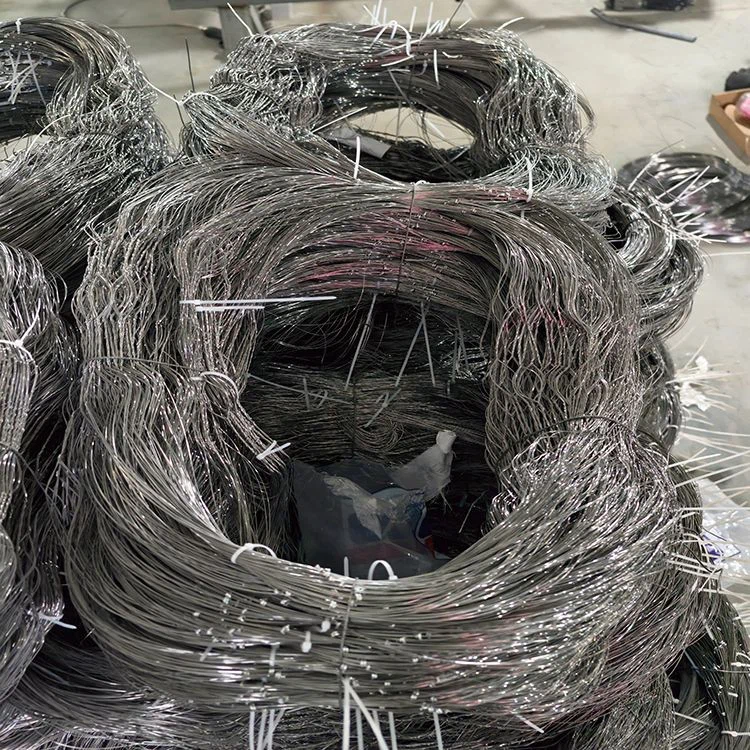

One of the main advantages of using anti tank mesh in airbase defense is its physical barrier function. Airbases usually have large perimeters, and it can be hard to cover every inch with high - tech surveillance and security systems. Anti tank mesh can be set up around the perimeter of the airbase. It acts as a visible and physical deterrent. Any unauthorized vehicle trying to break into the airbase will have to deal with this mesh. If a tank or a large vehicle tries to drive through it, the mesh will get tangled in the tracks or wheels, making it difficult, if not impossible, for the vehicle to move forward.
Another benefit is its cost - effectiveness. Compared to some high - end security systems, anti tank mesh is relatively inexpensive. You can cover a large area with a reasonable amount of investment. This is great for airbases, which often have large areas that need protection. And it doesn't require a lot of maintenance. Once it's installed, you don't have to worry about power outages or software glitches like you would with some electronic security systems.
But it's not all sunshine and rainbows. There are some limitations to using anti tank mesh in airbase defense. For one thing, it's mainly designed to stop ground vehicles. It won't do much against airborne threats like drones or aircraft. So, it can't be the only security measure at an airbase. You still need a comprehensive security system that includes radar, anti - aircraft guns, and other high - tech surveillance tools.
Also, determined attackers might find ways to bypass the anti tank mesh. They could use explosives to blow a hole in it or use small, agile vehicles that can drive around the mesh. So, while it's a good addition to the security setup, it needs to be used in combination with other security features.
Let's talk about the different types of anti tank mesh. We have Anti Tank Wire Mesh, which is a common type. It's made from thick, high - strength wire that's woven or welded together. This type of mesh is very flexible and can be easily installed in different terrains around the airbase. You can shape it to fit the contours of the land, whether it's flat ground, slopes, or even areas with some small obstacles.
There are also pre - fabricated anti tank mesh barriers. These are more rigid and come in standard sizes. They're easier to install in a hurry, especially in an emergency situation where you need to quickly set up a perimeter defense. They can be connected together to form a continuous barrier around the airbase.
When it comes to installation, it's important to do it right. The mesh should be firmly anchored to the ground. You can use stakes or concrete blocks to make sure it doesn't get easily moved by wind or small impacts. And it should be installed at a proper height. If it's too low, vehicles might be able to drive over it without getting caught. If it's too high, it might be more visible and easier for attackers to target.
In conclusion, anti tank mesh can definitely be a useful part of airbase defense. It provides a physical barrier, is cost - effective, and relatively easy to maintain. But it's not a stand - alone solution. It needs to be integrated into a comprehensive security plan that includes other high - tech and traditional security measures.
If you're in charge of airbase security or just interested in learning more about anti tank mesh for your security needs, I'd love to talk to you. Whether you have questions about the different types of anti tank mesh, installation, or pricing, don't hesitate to reach out. We can have a chat and figure out the best solution for your specific situation.
References:
- Military defense manuals on perimeter security
- Industry reports on anti tank mesh applications